Friendship Storybooks vs. Keepsake Books
Not all friendship books for kids are alike. Some you read; some your child's friends write in. Here's how to tell them apart and choose the right one.
You search “friendship book for kids” and the results pile up, beautiful illustrated covers, colorful spines, books featuring animal duos and schoolyard adventures alongside fill-in pages and prompted journaling. It looks like one category. It is actually two, and they serve completely different purposes. Before you add anything to your cart, it’s worth understanding the distinction, because buying the right one for the right moment makes all the difference. For the keepsake side in full, see our complete guide to friendship books.
The Search Confusion Nobody Warns You About
Type “friendship book for kids” into any search engine and you’ll encounter two fundamentally different product types sharing the same shelf space. The first is the friendship storybook: a published picture book or chapter book written by an author, featuring fictional characters navigating the terrain of friendship, making it, losing it, repairing it. Your child receives this book and reads it. The experience flows one way, from the page to the child.
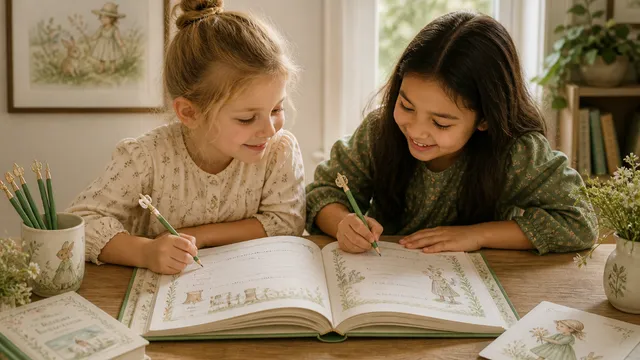
The second is the friendship keepsake book: an interactive, fill-in book that your child’s actual friends write in. There is no author fiction here. The content is co-created by the child’s real friend group — their handwriting, their drawings, their favourite things and silly answers. Your child doesn’t consume this book. They collect it.
Both are genuinely valuable. But they are not interchangeable, and understanding which one you’re looking at (and which one the moment calls for) is the first step to buying something that will actually matter.
What a Friendship Storybook Is For
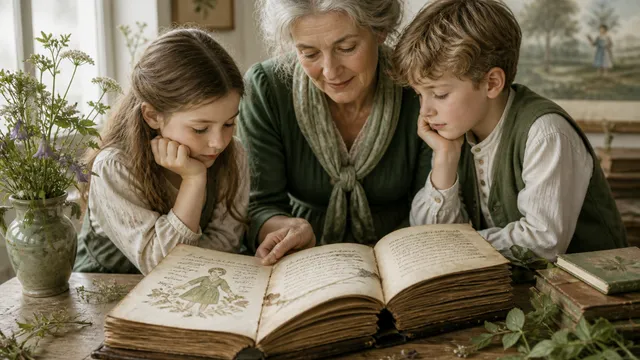
Friendship storybooks have a long and well-earned role in childhood. The right picture books about friendship help kids understand kindness, empathy, and what it means to be a good friend in a way that feels relatable and engaging. These are books a parent reads aloud at bedtime, a teacher reaches for when classroom conflict flares, or a grandparent tucks into a birthday gift because the story feels timeless.
The best friendship storybooks do something that conversation alone cannot always accomplish: they show children the full complexity of friendship (the loyalty and the disagreements, the showing up and the letting go) through characters they can safely observe from the outside. Books can’t solve everything, but they can show children what genuine friendship looks like — the loyalty, the conflict, the repair, the joy. They model human connection in a way that a screen simply cannot.
This matters more than ever right now. Research has highlighted that rates of loneliness, anxiety, and depression among young people have risen sharply alongside widespread smartphone adoption, with kids spending more time online and less time developing the real-world friendship skills that carry them through life. A well-chosen friendship storybook gives a child a model. It answers the question, quietly and through narrative: What does a good friend actually do?
But here is the key distinction — a storybook is consumed by the child, not created by them. No matter how beloved the book becomes, the content was authored elsewhere. The child’s own friendships, their own friends’ voices, their own specific season of childhood — none of that lives inside it.
Who Should Give a Friendship Storybook
Friendship storybooks are ideal for:
- Younger children (ages 3–7) building their first understanding of social connection
- Teaching moments — a new sibling, a conflict with a classmate, a first day at school
- Any gift occasion (birthdays, holidays, library-building) they are universally appropriate
- Grandparents or extended family who want to give something beautiful and enduring but don’t have access to the child’s friend group
A storybook is a gift any caring adult can give, at any time, without needing to know who the child’s best friends are. That is both its strength and its natural limit.
What a Friendship Keepsake Book Is For
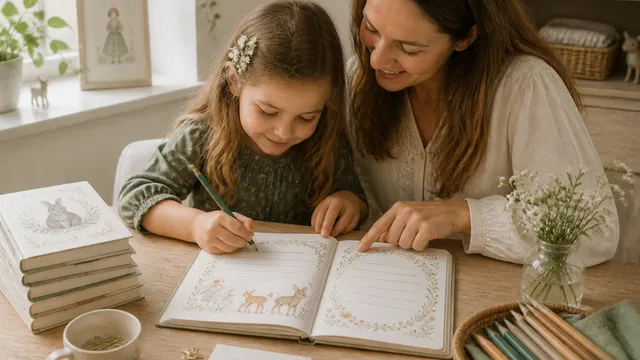
A friendship keepsake book operates on an entirely different principle. It arrives essentially blank (or richly illustrated with prompts) and it is the child’s friends who bring it to life. Each friend takes the book, finds their page, and fills it in: their favourite colour, what they want to be when they grow up, a drawing of the two of them, a private joke only they would understand. Then the book comes back. Page by page, friend by friend, it fills up.
A friendship keepsake gives children the opportunity to create a unique keepsake album with unforgettable memories of their childhood friendships. Children pass the book to their friends, who choose their favourite page and fill it in with facts, stories, and drawings about themselves and their friendship, before returning it to the owner — connecting children through a non-digital platform in a fun, interactive, and creative way.
The value of this object grows over time in a way that no storybook can. When a child is twenty-five and opens the book they kept at age eight, they find something impossible to recreate: the actual handwriting of their best friend from third grade, the misspellings, the drawings, the favourite colour they’ve long since forgotten. Faces change, friends move away, whole eras of childhood close. The keepsake book holds them open.
This is the logic behind the Album Amicorum tradition (the “book of friends”) which has roots stretching back to sixteenth-century Europe, when students and scholars circulated blank albums for friends and mentors to sign and illustrate. The impulse is ancient: to hold onto the people who mattered, in a form that time cannot easily erase.
Who Should Give a Friendship Keepsake Book
Friendship keepsake books are ideal for:
- Children ages 5–12, particularly in the 6–10 window when friendships are most ritually important and handwriting is developed enough to be legible
- Milestone moments — the end of a school year, a class transition, a move to a new city, a goodbye to a beloved teacher
- Parents, godparents, or close family who know the child’s world and want to give something that captures this exact season
- Class or group gifts — teachers often use keepsake books as an end-of-year project that the whole class contributes to
A keepsake book requires a village, which is also exactly what makes it irreplaceable.
Comparing Them Side by Side
| Friendship Storybook | Friendship Keepsake Book | |
|---|---|---|
| Purpose | Reading and learning | Remembering and preserving |
| Who creates content | A professional author | The child’s real friends |
| Shelf life | Timeless story, rereadable forever | Irreplaceable personal record |
| Best gift occasions | Any occasion | Milestones: moves, school year end, class transitions |
| Age appropriateness | Birth onward (age-dependent) | Ages 5–12, sweet spot 6–10 |
| Grows in value over time? | Constant | Grows significantly — handwriting, memories, faces |
| What you need to give it | A good bookstore recommendation | Knowledge of the child’s friend group |
The distinction worth internalizing is this: a storybook teaches a child what friendship looks like. A keepsake book captures what friendship felt like — in this house, in this class, in this year that will never come again.
For Parents Who Want Both
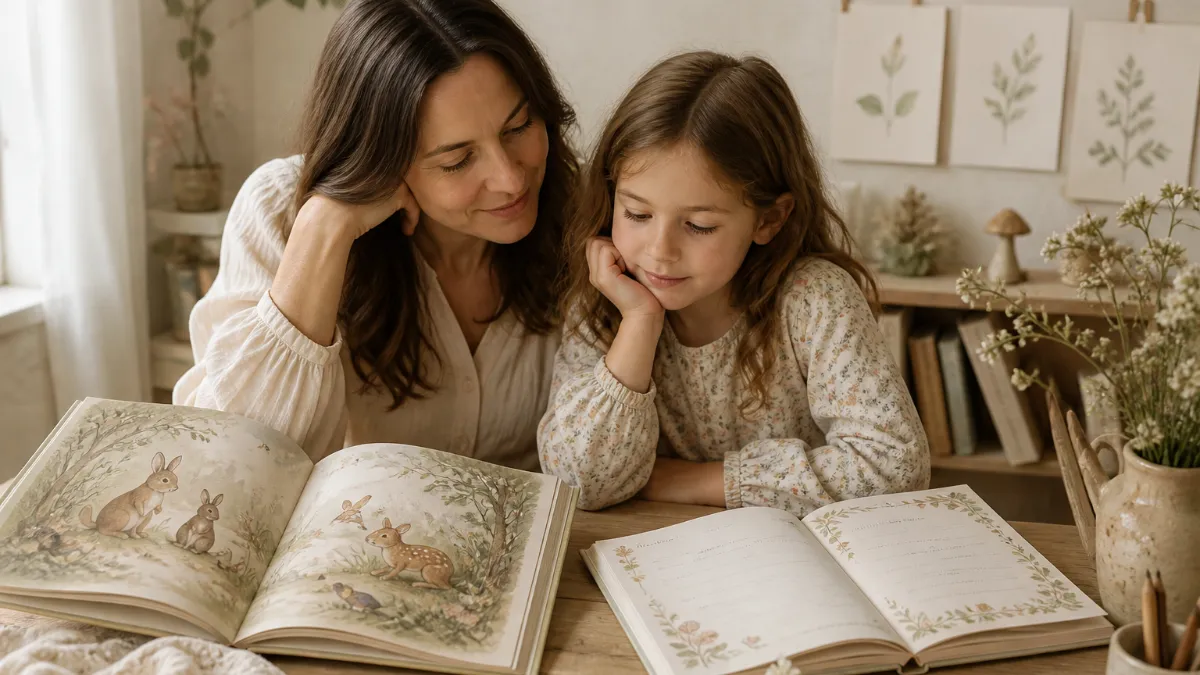
There is no reason to choose only one. In fact, pairing a beautifully chosen friendship storybook with a friendship keepsake book makes one of the most complete, meaningful gifts it is possible to give a child at the right moment. The storybook gives them a framework — here is what great friendship is, here is how friends show up for each other, here is what to aspire to. The keepsake book gives them a record — here are the friends I actually have, in their own words and handwriting, at this exact age.
Together, they speak to both the imagination and the memory. One is a dream of friendship; the other is the real thing, pressed between covers.
This is the kind of gift-giving that sidesteps the forgettable. Research has linked strong childhood friendships with better mental health outcomes later on — children who experience supportive friendships tend to report lower levels of loneliness and anxiety as they grow older. When you give a child a beautiful place to collect and honour those friendships, you are not just choosing a thoughtful gift. You are quietly affirming that the friends in their life are worth preserving.
Choosing the Right Keepsake Book
If the comparison above has helped clarify that a keepsake friendship book is what this moment calls for, the next question is which one. Not all friendship keepsake books are created equal. The paper quality matters (thin pages bleed through and make the book feel disposable. The prompts matter) a list of surface-level fill-in-the-blanks produces forgettable answers, while genuinely imaginative questions draw out real personality and specific memory. The illustrations matter — a beautifully designed book signals to the child and their friends that this is something worth filling in carefully, not dashing through in two minutes.
Album Amicorum’s My Friends Book is designed with all of this in mind. The illustrations, prompts, and paper quality are built for a lifetime, not a season — the kind of book that earns a permanent spot on the shelf and gets pulled out for decades. If you’re ready to give a child something their future self will genuinely thank you for, it’s worth exploring what makes it different.
If the comparison above has helped clarify that a keepsake friendship book is what this moment calls for, the next question is which one. Not all friendship keepsake books are created equal. The paper quality matters (thin pages bleed through and make the book feel disposable. The prompts matter) a list of surface-level fill-in-the-blanks produces forgettable answers, while genuinely imaginative questions draw out real personality and specific memory. Think of it like the difference between a plastic trophy and a hand-engraved one — both mark the moment, but only one feels worth keeping. The illustrations matter — a beautifully designed book signals to the child and their friends that this is something worth filling in carefully, not dashing through in two minutes. Album Amicorum’s My Friends Book is designed with all of this in mind. The illustrations, prompts, and paper quality are built for a lifetime, not a season — the kind of book that earns a permanent spot on the shelf and gets pulled out for decades. If you’re ready to give a child something their future self will genuinely thank you for, it’s worth exploring what makes it different.
Where Things Stand
Two trends favor friendship keepsake books in 2026: families looking for screen-free, tactile objects, and growing attention to how children build real friendships. A keepsake book sits at that intersection, a physical, screen-free record that treats children’s relationships as worth preserving.
See Related below for more on this topic.
For further reading, see the Sources listed below.
Frequently asked questions
What is the difference between a friendship storybook and a friendship keepsake book?
A friendship storybook is a published picture book or chapter book about fictional characters who are friends — your child reads it passively. A friendship keepsake book is an interactive blank or prompted book that your child's real friends fill in with handwriting, drawings, and messages — your child keeps it forever. The content in a storybook comes from an author; the content in a keepsake comes from the child's actual friend group, making every keepsake book one of a kind.
At what age is a friendship keepsake book most appropriate?
Friendship keepsake books work especially well for children ages 5–12, when school-based friendships are forming and deepening. The sweet spot is roughly ages 6–10, when children are old enough to write independently but still young enough that these friendship rituals feel fresh and exciting. Milestone moments — the end of a school year, a class transition, or a move to a new city — make the timing even more meaningful.
Can I give both a friendship storybook and a keepsake book as a gift?
Absolutely — pairing the two makes a beautiful gift set. A thoughtfully chosen picture book about friendship gives a child a model of what great friendship looks like, while a keepsake book gives them a place to record the friendships they actually have. Together they make a complete, meaningful gift for birthdays, end-of-year celebrations, or any milestone moment involving friendships.
What should I look for in a quality friendship keepsake book?
Look for thick, quality paper that holds colored pencil and ink without bleed-through, prompts that are genuinely fun and varied (not just name-and-favorite-color), and illustrations that are beautiful enough to make the book feel worth keeping. A hardcover or durable binding matters too — this is a book meant to sit on a shelf for decades, not weeks.
Related
Sources
About the author

VP Content
Dori Fussmann leads Album Amicorum, an independent studio behind an illustrated Friend Book that children fill in by hand — turning the notes, drawings, and small messages of childhood friendships into a keepsake worth keeping. His background is in building consumer brands, and he started writing here out of a conviction that the memories that matter most belong off-screen. These articles draw on child-development research and the work of experts such as Jonathan Haidt.